
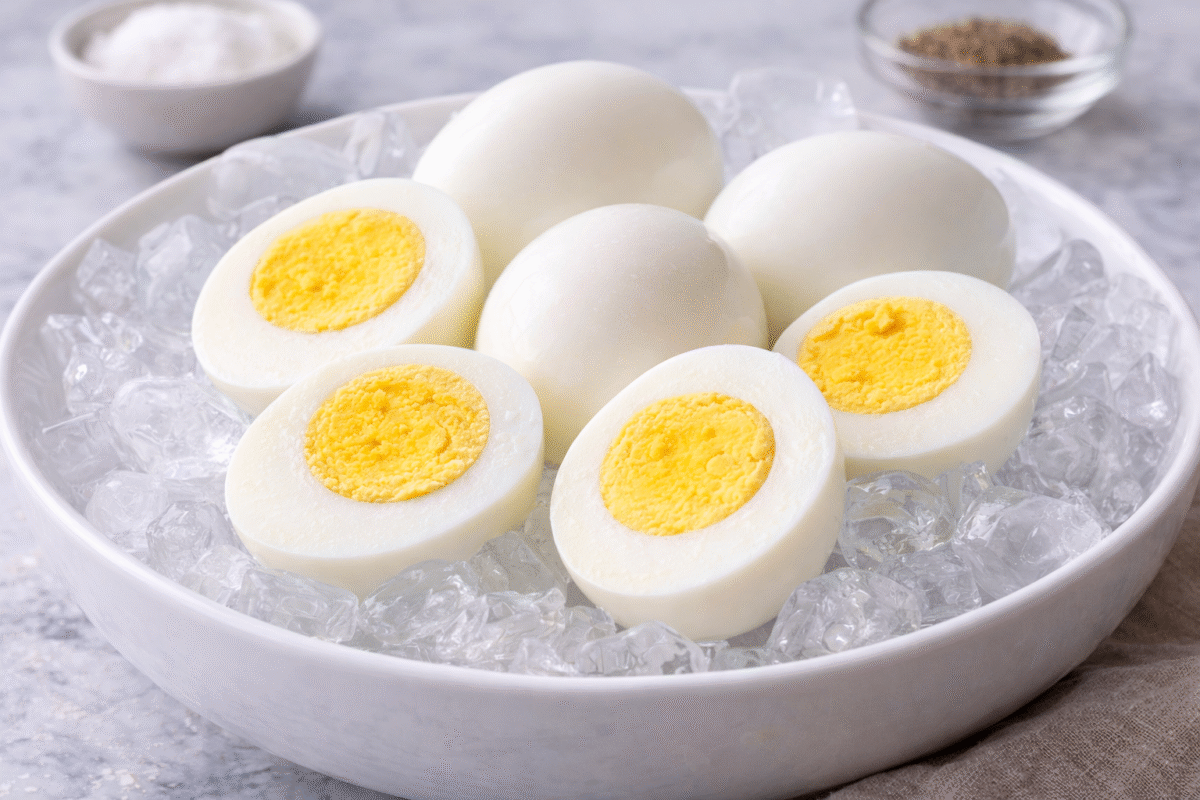
Hard-boiled eggs are one of the simplest foods in the kitchen, yet they can be surprisingly tricky to get right. We have all experienced eggs that are undercooked, rubbery, cracked, or impossible to peel. When done correctly, however, hard-boiled eggs are smooth, tender, and incredibly versatile. They can be eaten on their own, sliced into salads, mashed into spreads, or used in countless recipes.
Learning how to cook hard-boiled eggs properly is a foundational kitchen skill. Whether you are meal prepping for the week, making deviled eggs for a gathering, or just need a quick protein-rich snack, mastering this technique saves time and frustration. With the right method, anyone can make perfect hard-boiled eggs consistently.
What Are Hard-Boiled Eggs?
Hard-boiled eggs are eggs cooked in their shells in hot water until both the whites and yolks are fully set. Unlike soft-boiled or medium-boiled eggs, hard-boiled eggs have firm yolks and are usually cooled before peeling.
This cooking method preserves the egg’s structure while making it safe and easy to eat. Hard-boiled eggs are popular worldwide because they are inexpensive, nutritious, portable, and easy to prepare in advance.
Why Hard-Boiled Eggs Sometimes Go Wrong
Many people assume boiling eggs is foolproof, but several factors can cause problems. Cooking eggs at too high a temperature can lead to rubbery whites and cracked shells. Overcooking causes the yolk to develop a greenish-gray ring and a chalky texture. Undercooking leaves the center soft when a firm yolk is desired.
Peeling problems are also common. Fresh eggs tend to cling to their shells, making peeling frustrating. Improper cooling can worsen this issue, leaving the egg surface pitted and torn.
Understanding these challenges helps explain why technique matters more than people think.
The Science Behind Perfect Hard-Boiled Eggs
Eggs are made of proteins that change structure when heated. As the temperature rises, egg white proteins tighten and solidify, while yolk proteins thicken and firm up. Cooking eggs gently allows these proteins to set without becoming tough.
Rapid cooling after cooking stops the process immediately. This prevents overcooking and helps separate the egg from the shell membrane, which is key for easy peeling.
Ingredients You Need
Hard-boiled eggs require very few ingredients, which is part of their appeal.
- Eggs
- Water
- Ice (for cooling)
That’s it. No salt or vinegar is necessary for cooking, though some people use them for peeling preferences.
How to Cook Hard-Boiled Eggs Step by Step
Begin by placing eggs in a single layer at the bottom of a saucepan. Avoid stacking them, as this can lead to cracking. Add enough cold water to cover the eggs by at least one inch.
Place the saucepan on the stove over medium-high heat and bring the water to a full boil. Once the water reaches a rolling boil, turn off the heat, cover the pot, and let the eggs sit in the hot water. This gentle resting method cooks the eggs evenly without aggressive boiling.
After the resting period, immediately transfer the eggs to an ice bath or very cold water. Let them cool completely before peeling or storing.
Timing Guide for Hard-Boiled Eggs
Timing is essential for perfect hard-boiled eggs. While stove strength and egg size vary, these general guidelines work well for most kitchens:
- Medium eggs: about 10 minutes resting time
- Large eggs: about 11 to 12 minutes
- Extra-large eggs: about 12 to 13 minutes
Cooling should take at least 5 minutes in ice water to fully stop cooking.
Why the Ice Bath Matters
The ice bath is not just for cooling. Rapid cooling causes the egg to contract slightly inside the shell, creating a small gap between the shell and the egg white. This gap makes peeling easier and helps preserve the egg’s smooth surface.
Skipping this step often results in overcooked eggs and stubborn shells that tear the whites.
How to Peel Hard-Boiled Eggs Easily
Peeling hard-boiled eggs becomes much easier when they are completely cooled. Gently tap the egg on a hard surface to crack the shell, then roll it lightly to loosen it all around. Starting from the wider end of the egg often helps, as this is where the air pocket is located.
Peeling under running water can also help remove shell fragments more cleanly.
Fresh Eggs vs Older Eggs
Fresh eggs are excellent for frying and poaching, but they are harder to peel when boiled. Slightly older eggs peel more easily because the egg white pulls away from the shell membrane more readily.
If you know you will be boiling eggs, buying them a few days in advance can actually improve your results.
Common Mistakes to Avoid
One common mistake is boiling eggs aggressively for the entire cooking time. This causes bouncing, cracking, and uneven cooking. Another mistake is skipping the resting phase, which leads to undercooked centers or overcooked edges.
Overcooking is also a frequent issue. If your yolks have a gray-green ring, the eggs were cooked too long or cooled too slowly.
Different Methods for Cooking Hard-Boiled Eggs
While the stovetop method is the most popular, there are other effective ways to cook hard-boiled eggs. Steaming eggs often makes peeling easier, while pressure cookers offer speed and consistency. Oven-baked eggs work for large batches, though they require careful timing.
Each method has its advantages, but the stovetop approach remains the most accessible and reliable for most home cooks.
Nutritional Benefits of Hard-Boiled Eggs
Hard-boiled eggs are packed with nutrients. They are an excellent source of high-quality protein, vitamins B12 and D, and essential minerals like selenium. One large egg contains about 6 grams of protein and relatively few calories.
They are filling, portable, and suitable for many dietary patterns, including low-carb and high-protein diets.
How to Store Hard-Boiled Eggs
Hard-boiled eggs can be stored in the refrigerator for up to one week. It is best to keep them in their shells until ready to eat, as this helps prevent odor absorption and moisture loss.
If peeled, store them in an airtight container with a damp paper towel to maintain freshness.
How to Use Hard-Boiled Eggs
Hard-boiled eggs are incredibly versatile. They can be sliced into salads, mashed into sandwiches, chopped into grain bowls, or turned into deviled eggs. They also make a quick, satisfying snack on their own.
Because they store well, they are ideal for meal prep and busy schedules.
Conclusion
Learning how to cook hard-boiled eggs properly transforms a basic ingredient into a reliable kitchen staple. With the right timing, gentle heat, and proper cooling, you can achieve eggs that are easy to peel, perfectly cooked, and delicious every time.
Once you master this method, hard-boiled eggs become one of the most convenient and versatile foods you can prepare. Try it once, and you will never struggle with boiled eggs again.
FAQs
How long should I boil eggs for hard-boiled eggs?
Large eggs usually need about 11 to 12 minutes of resting time after boiling.
Why are my hard-boiled eggs hard to peel?
Fresh eggs and improper cooling are the most common reasons.
Can I boil eggs straight from the fridge?
Yes, but let them sit in water first to reduce temperature shock and cracking.
Is it better to steam or boil eggs?
Steaming often makes peeling easier, but boiling is simpler for most kitchens.
Can hard-boiled eggs be frozen?
Egg whites can be frozen, but yolks become grainy and are not recommended.
How do I know if an egg is fully cooked?
A fully cooked hard-boiled egg has a firm white and yolk with no softness in the center.