Paneer Bhurji is one of those Indian recipes that proves comfort food does not have to be complicated. Simple ingredients, minimal cooking time, and bold flavors come together to create a dish that feels satisfying every single time. Whether you grew up eating paneer bhurji with buttered pav or discovered it later at a roadside dhaba, this dish holds a special place in Indian kitchens.
What makes paneer bhurji so loved is its flexibility. It works as a quick breakfast when paired with toast, becomes a wholesome lunch with roti or paratha, and transforms into a crowd-pleasing dinner when served with pav or naan. It is also one of the best paneer recipes for beginners because it does not require elaborate preparation or advanced cooking skills.
This detailed guide will walk you through everything you need to know about making perfect paneer bhurji at home. From choosing the right paneer to understanding the balance of spices, from cooking tips to serving ideas, this article covers it all in a clear, easy-to-follow way.
What Is Paneer Bhurji
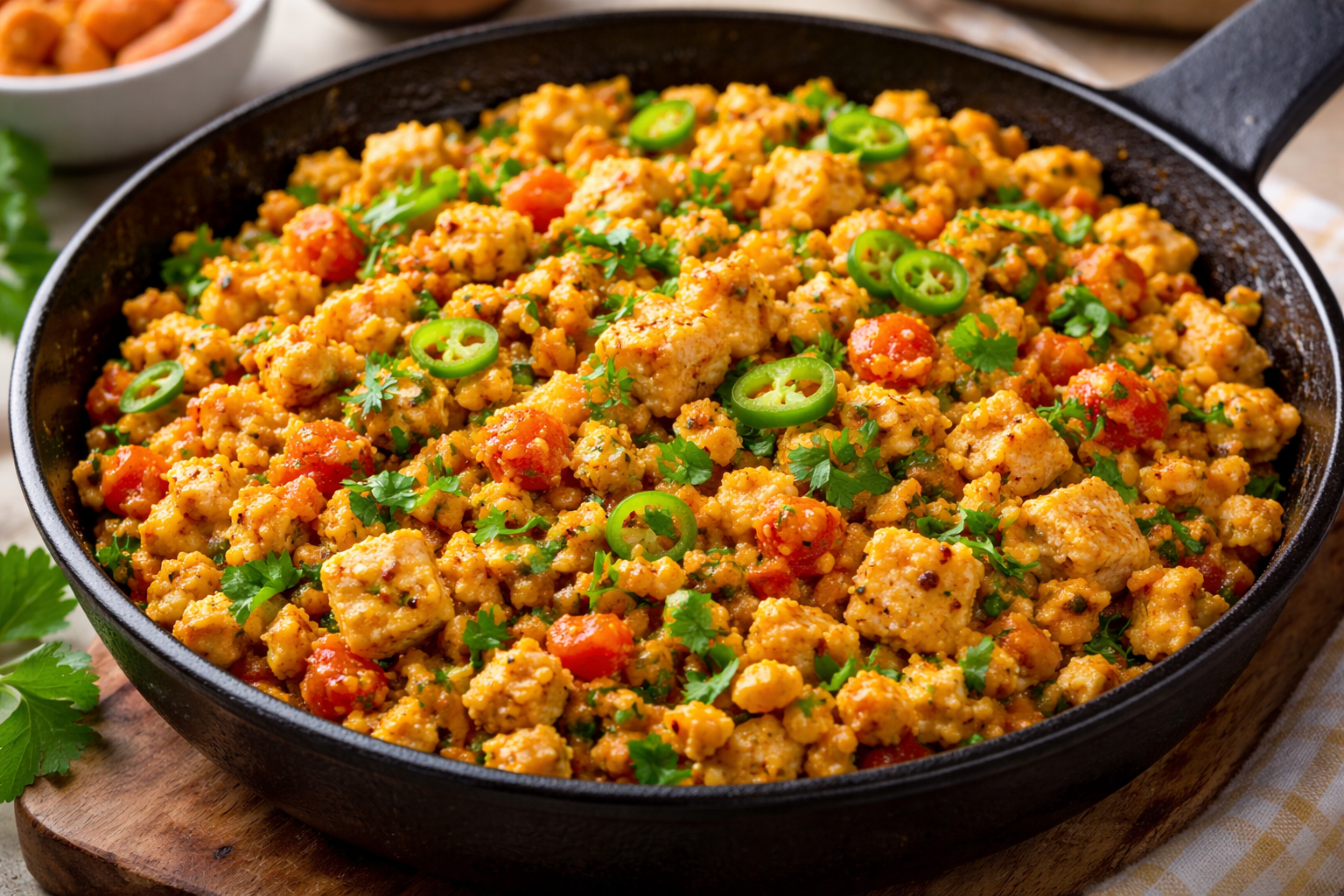
Paneer Bhurji is essentially scrambled paneer cooked with onions, tomatoes, green chilies, spices, and fresh herbs. The word “bhurji” refers to the scrambling technique, similar to how eggs are scrambled, but here paneer takes center stage.
Unlike paneer gravies that are rich and heavy, paneer bhurji is lighter, quicker, and more rustic. It is especially popular in North India and is a staple dish at highway dhabas, where it is cooked on large iron tawas with generous amounts of butter and spices.
At home, paneer bhurji can be made in many styles. Some people prefer it dry and crumbly, while others like it slightly moist. Some add capsicum for crunch, while others keep it simple with just onions and tomatoes. This adaptability is what makes paneer bhurji such a reliable recipe.
Why Paneer Bhurji Is So Popular
Paneer bhurji has remained popular for decades, not because it is trendy, but because it delivers on flavor, nutrition, and convenience.
It is rich in protein, making it an excellent choice for vegetarians. Paneer provides essential amino acids, calcium, and healthy fats, which help keep you full for longer. This makes paneer bhurji especially suitable for breakfast or post-workout meals.
Another reason for its popularity is speed. A good paneer bhurji can be ready in under 20 minutes, making it perfect for busy weekdays. It also uses everyday pantry ingredients, so you rarely need special preparation.
Ingredients for Paneer Bhurji
- Fresh paneer (crumbled, not grated)
- Onions (finely chopped)
- Tomatoes (finely chopped or pureed for softer texture)
- Green chilies (finely chopped, optional)
- Ginger (freshly grated or paste)
- Garlic (minced or paste)
- Oil or butter
- Cumin seeds
- Turmeric powder
- Red chili powder
- Coriander powder
- Garam masala
- Salt
- Fresh coriander leaves
- Lemon juice or kasuri methi (optional, for finishing)
Cooking Method for Paneer Bhurji
- Heat oil or butter in a pan over medium heat and add cumin seeds, allowing them to crackle
- Add chopped onions and sauté until soft and lightly golden
- Stir in ginger, garlic, and green chilies, cooking until raw aroma disappears
- Add tomatoes along with turmeric, red chili powder, coriander powder, and salt, then cook until the mixture turns thick and oil starts separating
- Add crumbled paneer and mix gently, ensuring the paneer absorbs the masala without becoming mushy
- Cook on low heat for a few minutes, stirring occasionally
- Finish with garam masala, crushed kasuri methi or lemon juice, and fresh coriander
- Turn off the heat and serve hot
Tips to Make Perfect Paneer Bhurji
The texture of paneer bhurji depends heavily on the quality of paneer. Fresh, soft paneer gives the best result. If store-bought paneer feels firm, soaking it in warm water for 10 minutes can make a noticeable difference.
Crumbing the paneer by hand instead of grating it helps maintain a better texture. Grated paneer often turns dry and powdery, while hand-crumbled paneer stays soft and moist.
Cooking paneer for too long can make it chewy. Once paneer is added, the dish only needs gentle cooking. Keeping the flame low at this stage helps retain softness.
Dhaba Style Paneer Bhurji vs Home Style
Dhaba style paneer bhurji is bolder, richer, and spicier. It usually uses more butter, stronger spices, and a slightly smoky flavor created by cooking on high heat.
Home style paneer bhurji is lighter and more balanced. It uses less fat, milder spices, and focuses more on the natural flavor of paneer. Both versions are delicious, and you can easily adjust this recipe to suit your taste.
Variations of Paneer Bhurji
Paneer bhurji has countless variations across India. Some add capsicum for crunch, some add peas for sweetness, while others include pav bhaji masala for a street-style twist.
You can also make a creamy paneer bhurji by adding a little fresh cream or milk at the end. For a healthier version, minimal oil and extra vegetables work beautifully.
What to Serve with Paneer Bhurji
Paneer bhurji pairs wonderfully with Indian breads like roti, paratha, naan, and kulcha. It is equally delicious with buttered pav, especially when served dhaba style.
For a lighter meal, paneer bhurji can be enjoyed with toasted bread or even stuffed into wraps and sandwiches. It also works well as a filling for rolls and frankies.
Nutritional Value of Paneer Bhurji
Paneer bhurji is high in protein and calcium, making it excellent for bone health and muscle repair. It provides good fats that help with satiety and energy.
When prepared with minimal oil and fresh ingredients, paneer bhurji fits well into balanced diets, including high-protein vegetarian meal plans.
Common Mistakes to Avoid
Overcooking paneer is the most common mistake. Paneer should be heated just enough to absorb flavors.
Using watery tomatoes can make the dish soggy. Cooking the masala until thick is crucial for proper texture.
Adding too many spices can overpower the delicate flavor of paneer. Balance is key.
Conclusion
Paneer Bhurji is proof that simple ingredients can create extraordinary flavors. It is quick, nourishing, and endlessly adaptable, making it one of the most practical paneer recipes for everyday cooking. Whether you want a comforting breakfast, a quick lunch, or a fuss-free dinner, paneer bhurji never disappoints.
Try this recipe at home, adjust the spices to your liking, and enjoy a dish that has stood the test of time in Indian kitchens. If you love easy and flavorful paneer recipes, this one deserves a permanent place in your meal rotation.
FAQs
Is paneer bhurji healthy
Yes, paneer bhurji is healthy when prepared with moderate oil. It is rich in protein and calcium and keeps you full for a long time.
Can paneer bhurji be made without onion and garlic
Yes, paneer bhurji can be made without onion and garlic by increasing the quantity of tomatoes and using hing for flavor.
How long does paneer bhurji stay fresh
Paneer bhurji is best eaten fresh but can be refrigerated for up to one day in an airtight container.
Can I use frozen paneer
Yes, frozen paneer can be used, but it should be soaked in warm water before crumbling to improve texture.
Why does paneer bhurji turn rubbery
Paneer turns rubbery when overcooked or cooked on high heat for too long.
Can paneer bhurji be packed for lunch
Yes, paneer bhurji works well for lunch boxes if kept slightly moist and consumed within a few hours.
What is the best bread to serve with paneer bhurji
Roti, paratha, naan, and pav all pair beautifully with paneer bhurji.
Also try – Malai Paneer Recipe: Creamy, Mild & Restaurant-Style