Malai paneer is a dish that quietly commands attention. It doesn’t rely on fiery spices or bold colors, yet it consistently earns a place at celebratory tables, wedding feasts, and restaurant menus across India. Creamy, elegant, and gently flavored, this North Indian classic is all about balance and restraint.
For many home cooks, malai paneer feels intimidating. The gravy turns grainy, the cream splits, or the final dish tastes flat despite using good ingredients. The secret is understanding that malai paneer behaves very differently from tomato-based or heavily spiced curries. It rewards patience, gentle heat, and thoughtful technique.
This guide walks you through everything you need to know to make truly restaurant-style malai paneer at home—from understanding its flavor profile to mastering the ingredients, cooking method, variations, and storage.
What Is Malai Paneer?
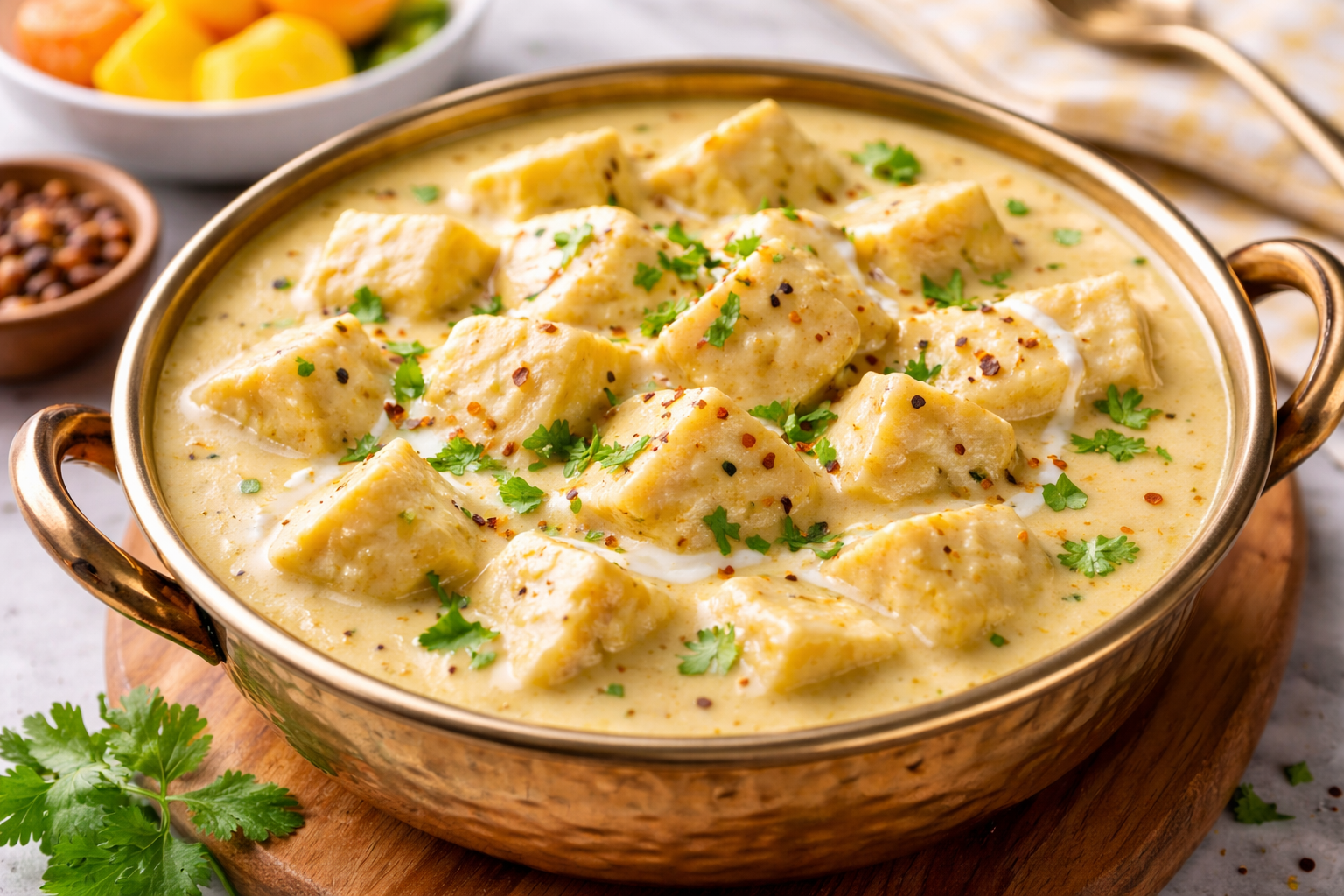
Malai paneer is a North Indian paneer curry where soft cubes of paneer are simmered in a rich, creamy gravy made primarily from onions, cashews, milk, and fresh cream. The term “malai” literally means cream, which perfectly describes both the texture and flavor of this dish.
Unlike popular paneer dishes that rely heavily on tomatoes and strong spice blends, malai paneer uses minimal spices and little to no tomato. The result is a pale-colored gravy with a smooth, velvety consistency and a mildly sweet, aromatic taste that feels luxurious without being overpowering.
Why Malai Paneer Feels So Luxurious
Malai paneer is often associated with indulgence, and for good reason. The combination of dairy, nuts, and gentle aromatics creates a dish that feels rich from the very first bite. However, its appeal goes beyond richness.
What truly sets malai paneer apart is its softness—both in texture and flavor. The gravy is smooth and mellow, the paneer is tender, and the spices are carefully restrained. This makes it a crowd-pleaser, especially for those who prefer mild, comforting food over spicy dishes.
The Flavor Profile: Subtle, Creamy, and Comforting
Malai paneer is not meant to be bold or spicy. Its flavor profile is built on gentle sweetness from onions and cashews, warmth from ginger, and aroma from whole spices like green cardamom. Fresh cream adds richness and rounds out the flavors, while milk keeps the gravy light enough to enjoy more than a few bites.
This delicate balance is what makes malai paneer so special. Every element supports the others without dominating, resulting in a dish that feels refined and comforting at the same time.
Choosing the Right Paneer
Paneer is the heart of this dish, and its quality directly affects the final outcome. Fresh paneer is soft, slightly milky, and absorbs the creamy gravy beautifully. If the paneer is dry or rubbery, even the best gravy won’t fix the texture.
Homemade paneer works wonderfully, but high-quality store-bought paneer is also suitable. If using packaged paneer, soaking the cubes in warm water for a few minutes before cooking helps restore moisture and prevents chewiness once added to the gravy.
Understanding the Creamy Gravy Base
The signature smoothness of restaurant-style malai paneer comes from the onion and cashew base. Onions are cooked gently until translucent, never browned. Browning introduces sharp, caramelized flavors that clash with the soft nature of the dish.
Cashews are soaked before blending to ensure a fine, silky paste. This paste must be blended thoroughly, as even slight graininess will be noticeable in the final gravy. In professional kitchens, the paste is sometimes strained to guarantee a flawless texture.
Ingredients for Malai Paneer
Malai paneer uses simple ingredients, but each one has a specific role. Fresh paneer provides structure and protein. Onions form the backbone of the gravy, contributing natural sweetness. Cashews thicken the sauce and add richness without overpowering the flavor.
Fresh cream, or malai, gives the dish its luxurious finish, while milk helps adjust consistency and prevents heaviness. Ghee or butter adds aroma and depth. Ginger paste provides gentle warmth, and green cardamom adds fragrance. Seasoning is kept minimal with salt and a small amount of white pepper to maintain the delicate flavor balance.
Cooking Method: Step-by-Step Explanation
Start by heating ghee or butter in a heavy-bottomed pan over low to medium heat. Add green cardamom pods and allow them to release their aroma. Finely chopped onions are added next and cooked slowly until soft and translucent. It is important to avoid browning the onions, as this would alter the flavor profile.
Once the onions are cooked, remove the pan from heat and allow the mixture to cool slightly. Blend the onions with soaked cashews and a small amount of water or milk until you get a smooth, creamy paste. The smoother this paste, the better the final texture of the gravy.
Return the blended paste to the pan and cook it gently, stirring continuously. This step removes the raw taste of onions and cashews and allows the flavors to deepen. Milk is added gradually to control the thickness of the gravy, followed by salt and white pepper. The mixture should simmer gently and never boil aggressively.
Lower the heat before adding ginger paste and fresh cream. Stir well and let the gravy cook for a few minutes until it looks glossy and well combined. Finally, add the paneer cubes and mix gently so they are coated evenly with the sauce. Let the paneer simmer briefly, just long enough to absorb the flavors without becoming chewy.
Turn off the heat and allow the dish to rest for a few minutes before serving. This resting time helps the flavors settle and improves the overall taste.
Common Mistakes and How to Avoid Them
Malai paneer often goes wrong due to high heat or rushed steps. Cooking the gravy on high heat can cause cream to split and turn grainy. Under-blending the onion-cashew paste leads to a coarse texture. Adding paneer too early or cooking it for too long makes it rubbery.
The solution is patience. Keep the heat low, blend thoroughly, and add paneer only at the end. Gentle cooking is the key to success with this dish.
Restaurant-Style vs Homemade Malai Paneer
Restaurant versions of malai paneer tend to be richer because they use generous amounts of butter and cream. While this creates an indulgent dish, it can feel heavy.
Homemade malai paneer allows you to control richness and portion size. With the right technique, you can achieve the same creamy texture while keeping the dish lighter and fresher.
Variations You Can Try
Malai paneer adapts well to different preferences. Some cooks add vegetables like green peas or mushrooms for variety. Others prefer an onion-free version for fasting days. A vegan version can be made using tofu and cashew cream, while a lighter version can reduce cream and rely more on milk and nuts.
These variations preserve the essence of malai paneer while making it suitable for different diets.
Best Pairings for Malai Paneer
Malai paneer pairs best with mildly flavored accompaniments. Soft naan, butter roti, or plain basmati rice allow the creamy gravy to shine. Strongly spiced breads or rice dishes tend to overpower its subtle flavors.
Storage and Reheating Tips
Malai paneer tastes best when fresh, but leftovers can be refrigerated for up to two days. Reheat gently on low heat and add a splash of milk to restore creaminess. Freezing is not recommended, as cream-based gravies often split when thawed.
Nutritional Insight
While malai paneer is rich, it also provides protein and calcium from paneer and healthy fats from cashews. Because it is mild and low in spice, many people find it easier to digest than spicier curries. It is best enjoyed occasionally as part of a balanced meal.
Why This Recipe Works
This recipe respects the nature of malai paneer. It avoids shortcuts, prioritizes smooth textures, and uses gentle cooking techniques. By focusing on balance rather than excess, it consistently delivers restaurant-style results at home.
Conclusion
Malai paneer is a celebration of subtle flavors and careful technique. When made correctly, it offers comfort, elegance, and indulgence in every bite. This creamy paneer curry proves that food doesn’t need bold spices to be memorable.
Take your time, cook gently, and trust the process. Once you master this recipe, malai paneer will become your go-to dish for special occasions and meaningful meals.
FAQs
Is malai paneer sweet?
Malai paneer has a mild natural sweetness from onions and cream, but no added sugar.
Can I make malai paneer without cream?
Yes, though the texture will be less rich. Cashew paste and milk can partially replace cream.
Why does my malai paneer gravy turn grainy?
This usually happens due to under-blended paste or cooking on high heat.
Can I use frozen paneer?
Yes, but soak it in warm water first to improve softness.
Is malai paneer spicy?
No, it is one of the mildest North Indian paneer dishes.
Can malai paneer be made vegan?
Yes, tofu and cashew cream work well as substitutes.