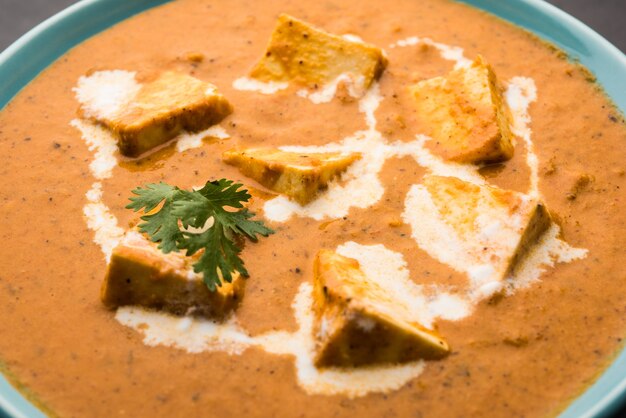
There are some dishes that instantly make a meal feel special. Paneer Makhani is one of them. The moment that velvety orange gravy touches warm naan, you know dinner just became memorable. It is comforting, luxurious, and surprisingly simple when you understand the technique.
Many people confuse paneer makhani with paneer butter masala. They are similar but not identical. Paneer makhani is smoother, milder, slightly sweeter, and more buttery. Paneer butter masala is usually spicier and heavier on spices. This recipe focuses on the classic creamy restaurant style flavor that melts in the mouth.
This guide is not just a recipe. It teaches the science behind texture, balance of sweetness and tang, and how restaurants achieve that glossy finish. Once you learn this method, you will never depend on takeaway again.
What Makes Paneer Makhani Special
Paneer makhani is based on the famous “makhani gravy”, a sauce originally designed to use leftover tandoori tomatoes and butter. Over time, chefs adapted it for paneer and it became one of the most loved vegetarian curries worldwide.
The dish stands out because of three qualities:
• Smooth gravy without onion chunks
• Balanced sweet-tangy flavor
• Creamy but not heavy mouthfeel
The richness does not come only from cream. It comes from emulsification — the blending of tomato, cashew, butter, and cream into one silky sauce.
Ingredients
For the gravy base
- 3 cups ripe tomatoes (chopped)
- 12–15 cashews
- 1 inch ginger
- 4 cloves garlic
- 1 small bay leaf
- 2 green cardamoms
- 1 small cinnamon piece
- 3 cloves
- 1 teaspoon Kashmiri red chili powder
- 1 teaspoon sugar
- Salt to taste
For the curry
- 250 grams paneer (cubed)
- 2 tablespoons butter
- 1 tablespoon oil
- ½ teaspoon garam masala
- 1 teaspoon kasuri methi
- ¼ cup fresh cream
- ½ cup water (adjust as needed)
Optional finishing
- 1 teaspoon honey
- Extra cream for garnish
Preparing the Makhani Base
The flavor of paneer makhani depends entirely on how you treat the tomatoes. Raw tomato taste will ruin the curry, so patience is important.
Start by heating a pan and adding a little oil. Add whole spices first. When they release aroma, add ginger and garlic. Stir gently without browning them.
Now add chopped tomatoes and cashews. Cook on medium heat. At first tomatoes look watery, then thick, and finally glossy. This stage is crucial. The oil will begin separating from the sides. That means acidity has reduced and sweetness developed.
Let the mixture cool completely. Then blend into a smooth puree. The smoother the puree, the more restaurant-like the gravy will taste.
Making the Creamy Paneer Makhani
Heat butter and oil together in a pan. Butter alone burns quickly, oil protects it. Add the prepared tomato puree and cook again. This second cooking removes raw blended taste and deepens color.
Add red chili powder and salt. Cook slowly while stirring. The gravy should gently bubble, not splash.
Add water to adjust consistency. The sauce should be silky, not thick like paste.
Crush kasuri methi between palms and add it. This single ingredient creates restaurant aroma instantly.
Now add paneer cubes. Simmer only for 3 to 5 minutes. Overcooking makes paneer rubbery.
Turn off heat and add cream. Never boil after adding cream or it may split.
Finish with garam masala and a tiny drizzle of honey if tomatoes are too tangy.
Rest the curry for 5 minutes before serving. Resting allows fat to emulsify and flavors to merge.
Texture Secrets Most Recipes Don’t Tell You
Many home cooks struggle because their gravy becomes grainy or overly tangy. The difference lies in technique, not ingredients.
Tomatoes must be ripe and red. Sour tomatoes require extra sugar and cream.
Cashews must be cooked, not just soaked. Cooking removes raw nut taste.
Cream must be added after turning off flame. High heat breaks fat molecules.
Paneer should be soft. If store-bought paneer is hard, soak it in warm salted water for 10 minutes before adding to gravy.
Flavor Balance Explained
Perfect paneer makhani has four balanced notes:
Sweetness – from tomatoes and small sugar or honey
Tanginess – natural tomato acidity
Creaminess – butter and cream
Aroma – kasuri methi and garam masala
If any one dominates, the dish tastes wrong. Restaurant chefs constantly taste and adjust.
Difference Between Paneer Makhani and Paneer Butter Masala
Paneer Makhani
Smoother gravy
Sweeter taste
Minimal spices
More butter flavor
Paneer Butter Masala
Spicier
Onion based gravy
Stronger masala profile
Less sweet
Knowing this difference helps you control the final taste.
Pro Tips for Restaurant Style Finish
A few professional tricks instantly improve results.
• Use Kashmiri chili powder for color without too much heat
• Always strain the puree if you want ultra-smooth texture
• Simmer gravy on low heat for glossy finish
• Add a small cube of cold butter at the end for shine
Restaurants call this finishing butter “mounting the sauce”. It creates that luxurious sheen.
Common Mistakes to Avoid
People often follow ingredients correctly but still fail due to technique errors.
Cooking paneer too long makes it chewy.
Adding cream while boiling splits gravy.
Using raw tomato puree tastes sharp.
Skipping butter removes signature flavor.
Fixing these mistakes instantly improves results.
Serving Suggestions
Paneer makhani pairs best with breads that can scoop gravy.
Best combinations
Butter naan
Tandoori roti
Laccha paratha
Jeera rice
Steamed basmati rice
For a complete meal add onion salad and lemon wedges. The freshness balances the richness.
Variations You Can Try
Once you master the base, you can customize easily.
Smoky Version
Place hot charcoal in a bowl inside the curry, drizzle ghee and cover for 2 minutes.
Vegan Version
Replace paneer with tofu and cream with cashew cream.
Low Fat Version
Reduce butter and use milk instead of cream. Texture will be lighter but still tasty.
Spicy Version
Add green chili paste while cooking gravy.
Nutrition Overview
Paneer makhani is indulgent but can still fit balanced eating when portioned properly.
Paneer provides protein and calcium. Tomatoes offer antioxidants like lycopene. Cashews contribute healthy fats.
The dish becomes heavy mainly due to butter and cream, so serving with roti instead of butter naan reduces calories significantly.
Storing and Reheating
Paneer makhani actually tastes better next day because flavors mature.
Store in airtight container up to 2 days in refrigerator.
While reheating, add a splash of milk or water. Heat gently, never boil aggressively.
Freezing is possible but add fresh cream after thawing for best texture.
Why Homemade Beats Restaurant
Restaurants often add extra cream and butter for richness. Homemade allows control over fat and spice levels while keeping authentic flavor.
You also avoid artificial colors and preservatives. Once you taste a properly balanced homemade makhani, restaurant versions often feel heavier.
Conclusion
Paneer Makhani is not just another paneer curry. It is a technique driven dish where balance matters more than quantity of spices. By cooking tomatoes properly, blending smoothly, and finishing with gentle heat, you create a curry that tastes luxurious yet comforting.
Make it once for guests and it instantly becomes your signature dish. Try it this weekend and pair it with fresh naan — you may never order paneer makhanwala again.
FAQs
1. Why is my paneer makhani sour?
Tomatoes were undercooked or too acidic. Cook longer and add a little sugar or cream.
2. Can I skip cashews?
Yes, but gravy will be thinner. Replace with melon seeds or cream for body.
3. How do restaurants get bright orange color?
They use Kashmiri chili powder and properly cooked tomatoes, not food color.
4. Can I make it vegan?
Yes, replace paneer with tofu and cream with blended cashew paste.
5. Why did my gravy split?
Cream was added at high temperature. Always add after turning off heat.
6. Is paneer makhani spicy?
No, it is mild and slightly sweet, suitable for kids.
7. How to soften hard paneer?
Soak cubes in warm salted water for 10 minutes before cooking.
8. Can I prepare gravy in advance?
Yes, base gravy can be stored for 3 days and paneer added before serving.
9. What makes it different from butter chicken?
Same gravy base but paneer replaces chicken and flavors remain vegetarian.
Also Try – Paneer Bhurji Recipe – Soft, Spicy Indian Scrambled Paneer